[ PRACTICAL GUIDE / CHARACTER CONTINUITY ]
What should you check when an artist’s face changes between AI shots?

[ THE SHORT ANSWER ]
When a face changes between shots, first distinguish a legitimate change of angle or light from a change of identity. The aim is not to make every frame identical. It is to keep the artist recognisable through the camera distances and actions the sequence requires.
Compare equivalent views
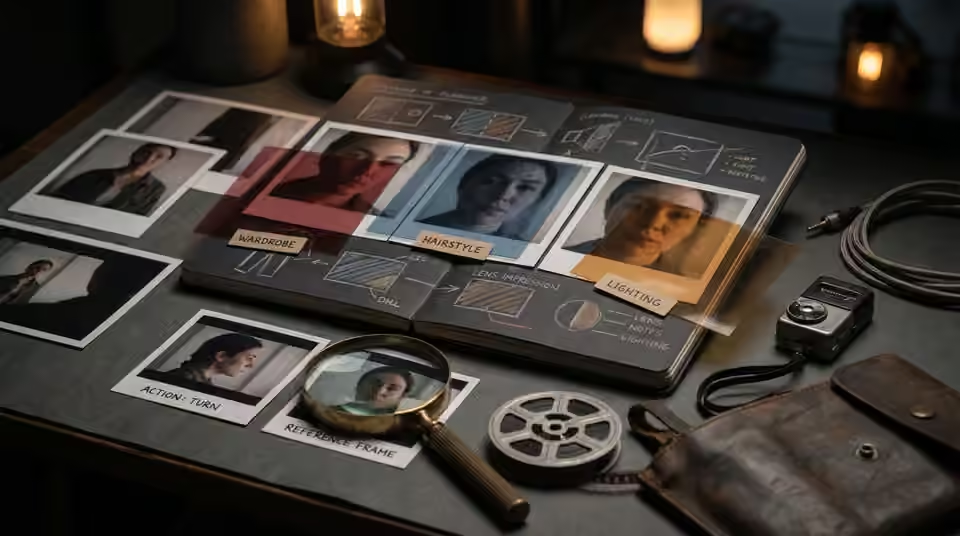
Place the outgoing and incoming shots next to the approved references. Look at the hairline, facial proportions, distinctive features and the relationship between head and body. A wide shot and a tight profile reveal different information, so add an appropriate reference angle rather than judging everything against one frontal portrait. Watch the transition at normal speed as well as frame by frame.
Separate the causes of the mismatch
Wardrobe, hairstyle, age treatment, lens impression and lighting can all affect recognition. List what actually changes. If the face only becomes unfamiliar when it turns, inspect that portion of the action. If it looks different from the first frame, reconsider the initial image or reference selection. This distinction determines whether a shorter usable section can work or the whole shot needs rebuilding.
Approve a small family before scaling up
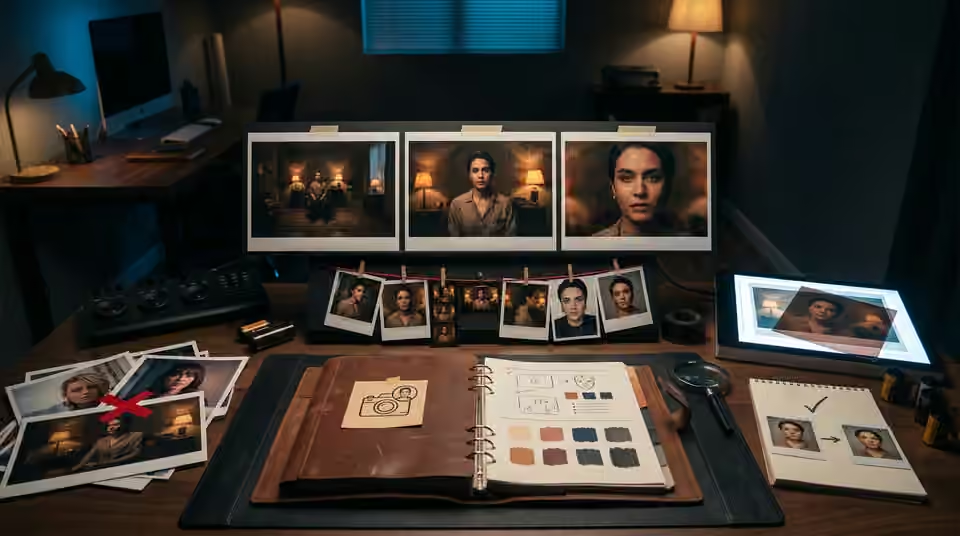
Test a wide, medium and closer view that belong together. Keep the approved identity references and the visual rules accessible to everyone producing the shots. Adding more reference images is useful only if they are compatible; contradictory grooming or lighting can make the target less clear. Change one important variable per test so you can understand why a candidate improved.
Working on the next decision? Read Which reference images should you choose for an AI video?.
Judge identity in the final sequence
Avoid solving a facial problem with a grade that damages every other shot. Color can help continuity of light, but it cannot reliably restore a different facial structure. An insert or a revised cut may solve a local transition when it supports the story. For artist-led work, agree which likeness references are approved for the project before production. Keep that decision attached to the shot records, then recheck recognition after motion and finishing.
Sources and further reading
- Which reference images should you choose for an AI video? ↗
- Which AI video revisions should happen before the final render? ↗
AI-assisted practical guide published by Chris Raw Studio. The linked references support the technical and product information; planning examples are illustrative. No original product test is claimed.